6 things to question when weight-loss progress feels stuck
Before another bold promise shapes the conversation, use these checks to look for clearer evidence and fewer assumptions.

By Dr. Elena Marsh
Laboratory Science Correspondent · September 21, 2026 · 4 min read

When weight-loss progress feels slower or less consistent than expected, it is easy to focus on the next promising answer. These six checks bring the focus back to evidence, transparency, and realistic expectations.
 1
1Check #1
Is the weight-loss claim stronger than the evidence?
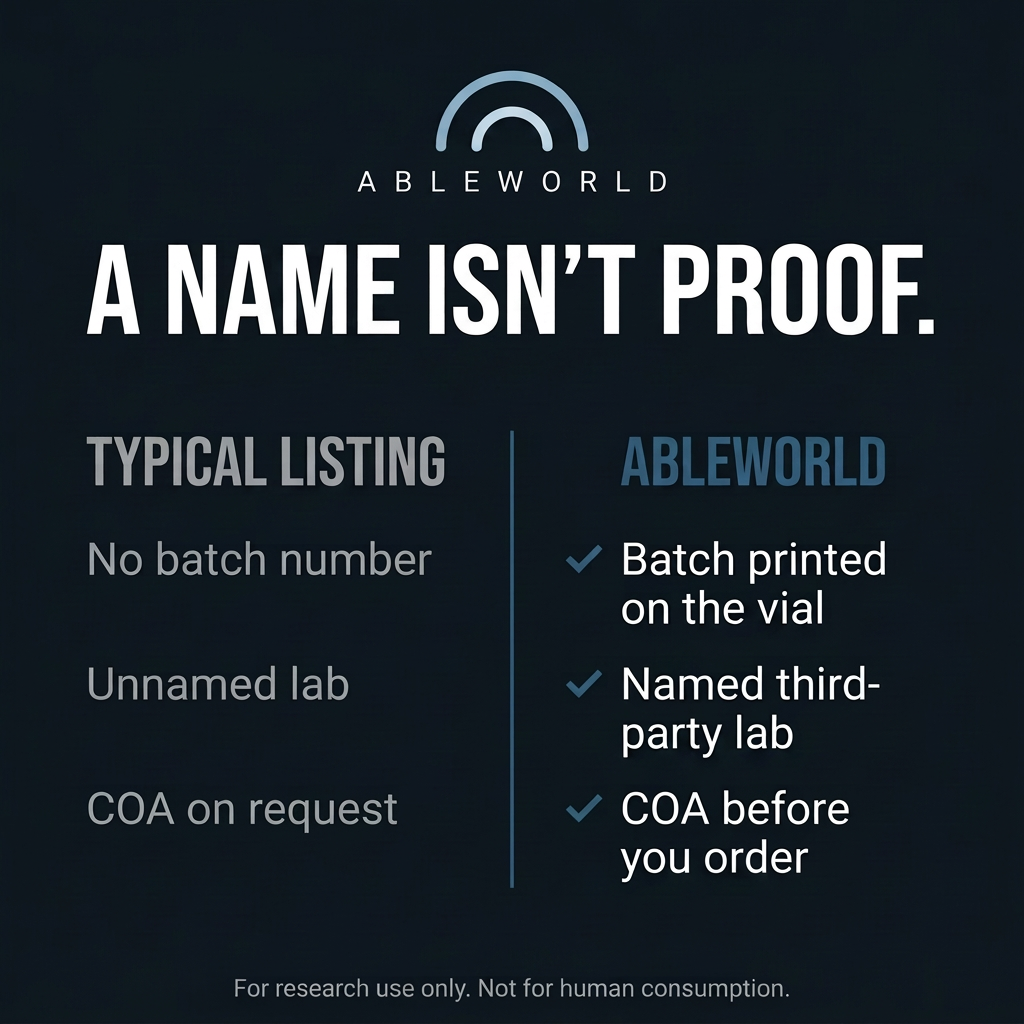
A dramatic promise can create urgency without creating certainty. Independent analysis gives research teams evidence they can evaluate directly instead of relying on the claim alone.
Independent evidence creates a stronger starting point than a bold weight-loss promise.
 2
2Check #2
Can you see what sits behind the story?
Weight-loss conversations move quickly, but supporting records should not be hard to find. Clear documentation makes it easier to see what is known, what is not, and where expectations may have moved ahead of evidence.
Good documentation makes the evidence behind weight-management research easier to review.
 3
3Check #3
Can the research material be traced?
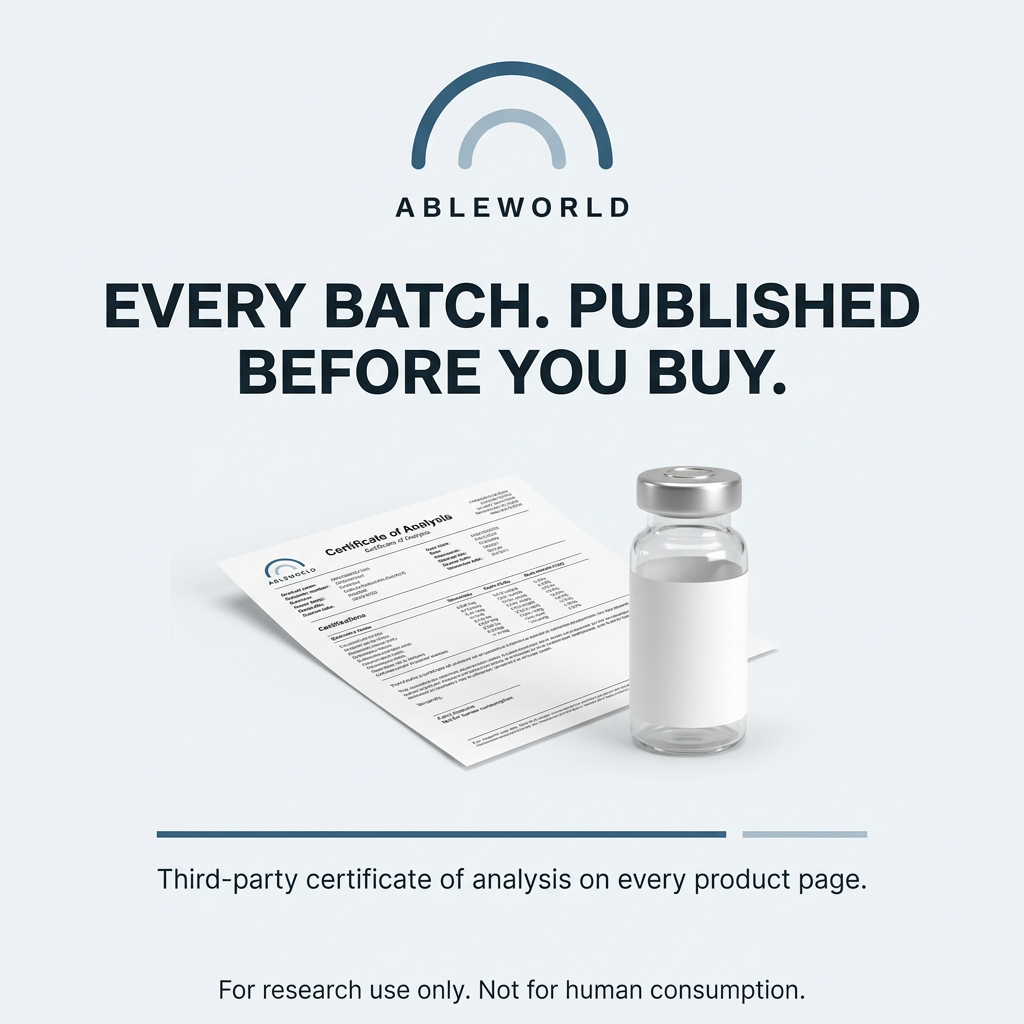
Identifiers should connect the supplier record, analytical record, and receiving record without guesswork. Traceability matters when teams are assessing research connected to a highly personal goal.
Traceability creates continuity across a weight-management research record.
- 4
Check #4
Do the standards stay consistent?
Stop-start progress is frustrating; stop-start documentation should not add to the uncertainty. A dependable supplier applies the same expectations across its catalog and from one order to the next.
Consistent standards make weight-management research easier to assess over time.
 5
5Check #5
Is the evidence explained clearly?
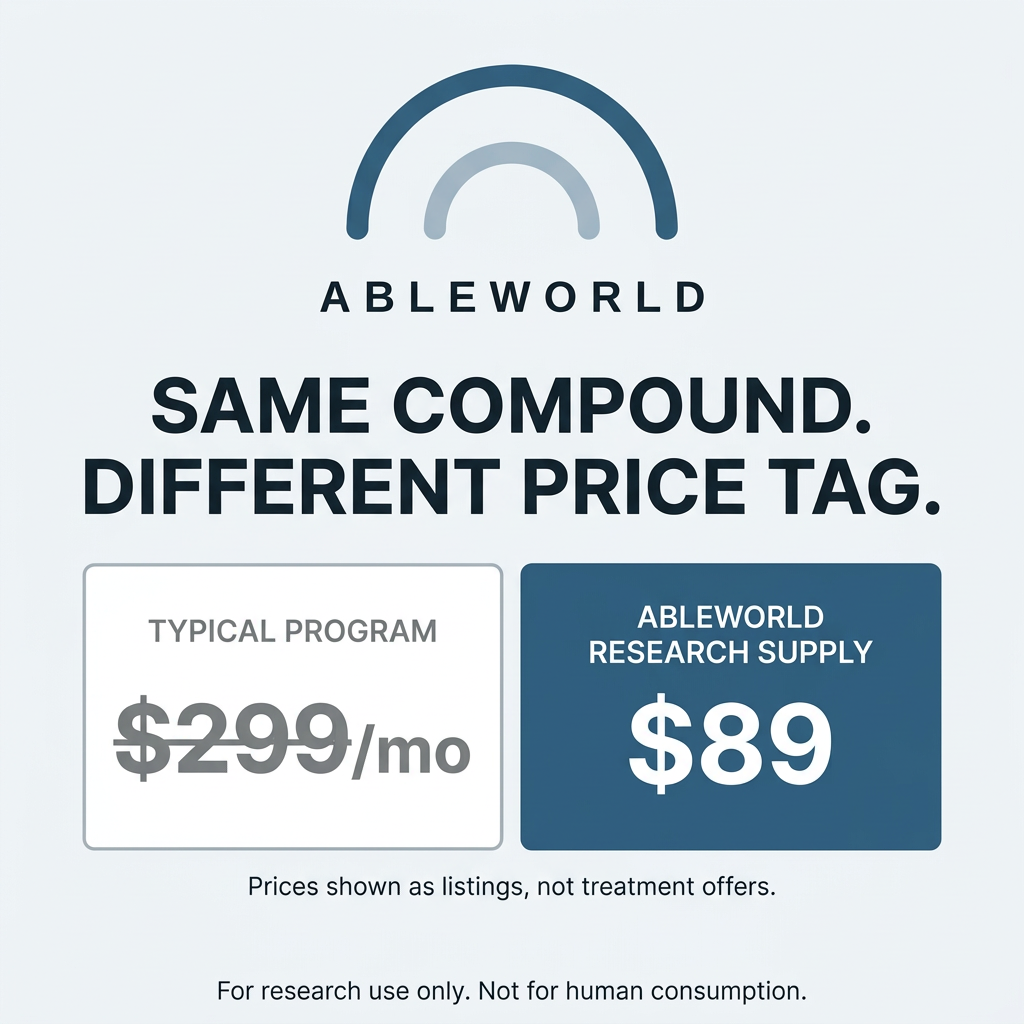
Weight-loss language can become complicated or overly confident. Clear labels and plain explanations help research teams understand what the evidence covers—and what it does not.
Clear information helps teams separate evidence from expectation.
 6
6Check #6
Will the record still matter later?
Weight-management research evolves. A durable record can be revisited later and still show what was sourced, which evidence was reviewed, and how the decision was made.
Durable records support more informed weight-management research decisions.
The quick recap
- Is the weight-loss claim stronger than the evidence?
- Can you see what sits behind the story?
- Can the research material be traced?
- Do the standards stay consistent?
- Is the evidence explained clearly?
- Will the record still matter later?
When weight-loss progress feels uncertain, the answer is not a bigger promise. It is a clearer view of the evidence behind it.
Editorial disclosure
This educational article discusses general laboratory sourcing and documentation standards. It does not describe personal use or promise a result. Sponsored content produced in partnership with Ableworld.